A Chance That Carries On
Anamika Sharma - Living Donor & Transplant Family
Anamika first thought about organ donation in 10th grade. At the time, she knew little about transplantation. As a teenager in India, she was going about her life when she read a poem called “To Remember Me” by Robert T. Nest about organ donation. “I was so moved, you know, seeing someone write about helping someone else with their body, their organs,” she says.
She remembers being in awe of the person who wrote it. “As a teenager, you are in awe of basketball players, cricketers,” she says. “But I was in awe of this person who wrote this poem. And I was like, I want to be like him.”
She ended up writing her own poem about becoming a donor. Then, like most high school things, she moved on. “I forgot about the poem. I forgot about donation. I just went on with my life.” Years later, that idea came back to her in a way she never expected.
When Everything Changed
In 2020, Anamika’s mother was diagnosed with Cirrhosis. At first, transplantation wasn’t part of the conversation. Her mother was going to manage her condition with medication, and Anamika became her caregiver. As her mother’s health deteriorated, so did Anamika’s understanding of transplantation. “I think donation and transplant is a spectrum,” she says. “You go from knowing nothing about it to researching everything.” She learned about medications, the different stages of transplantation, and what it meant to care for someone waiting for a transplant.
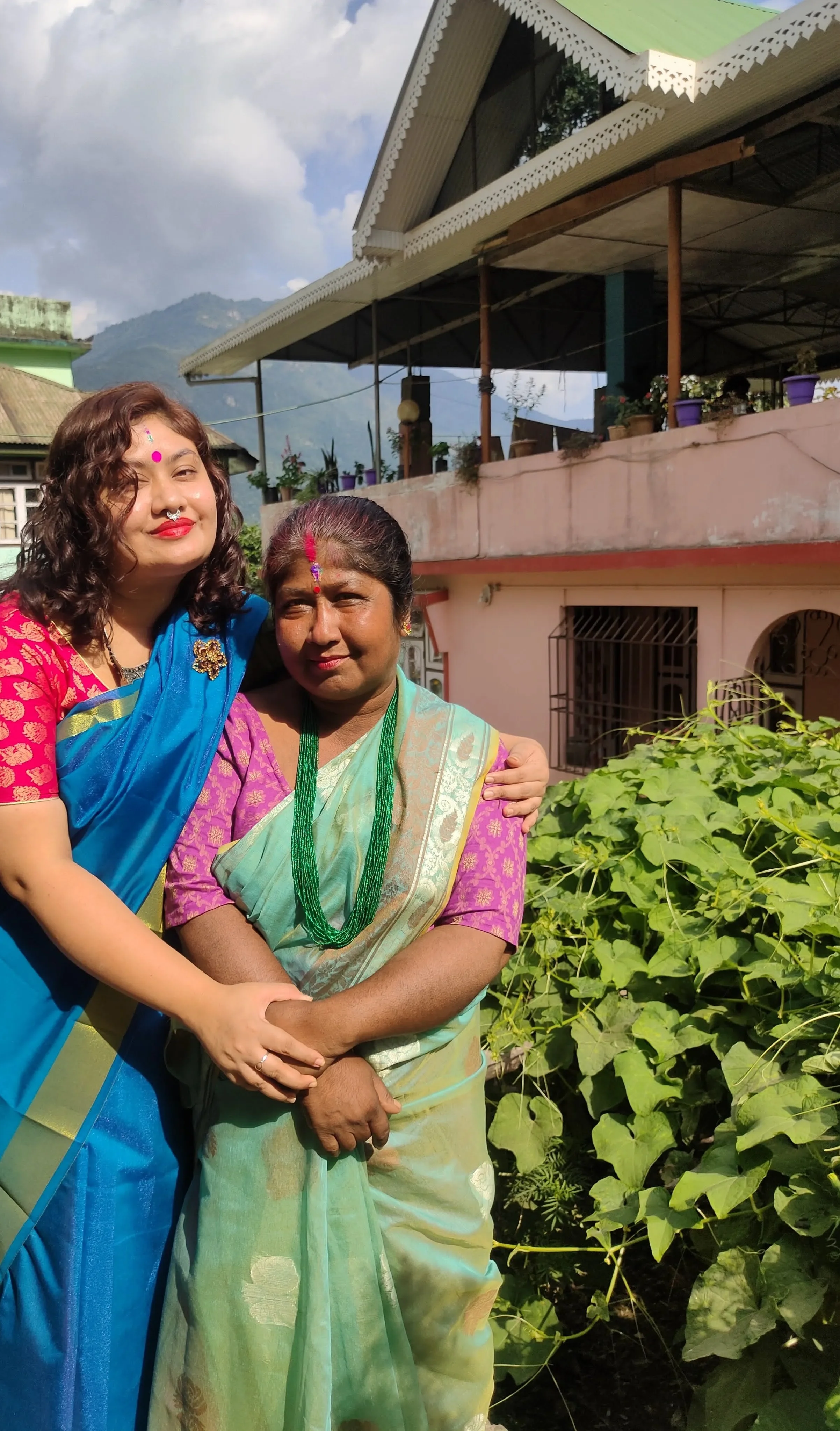
Then one day, a doctor told her mother that she would need a life-saving liver transplant. The doctor explained that there were several options, including living donation. Anamika’s response was almost immediate. “I was like, do you do that at this hospital?” When the doctor said they did, she responded, “Okay, then sign me up because I want to donate to my mom.” The doctor asked if she had thought it through. She hadn’t really. “I might research it further,” she remembers saying. “But I think even with the risk, it’s worth it if I can give a chance to my mom.” So she began the process of becoming a living donor.
Recovering from Donation
Recovery didn’t go exactly as Anamika expected and was not as straightforward as most. She spent about 40 days in the hospital after developing a blood clot in the hepatoportal vein, one of the major veins connected to the liver. She also dealt with infections and other complications. Before the donation, she had been healthy. Therefore, complications were not anticipated, and even her doctors were surprised by everything she experienced afterward.
Still, she remembers feeling supported throughout her recovery. “There were like six or seven departments coming into my room,” she says. “They were talking to me, reassuring me that they are doing this test, they are doing that test.” Her trust in her medical team became an important part of her recovery. “The thing that helped me recover a lot sooner was my faith in the team that I was assigned,” she says. “They were very good at what they were doing.”
The experience did temporarily put other parts of her life on hold. She had to step away from college for a while, but she eventually returned to her normal life. And despite everything she went through, she doesn’t remember the pain being the hardest part. “I don’t remember being in pain,” she says. “Maybe because they gave me a lot of pain medications.” She laughs a little when she remembers how strange recovery felt. “You kind of feel numb after the donation because you can’t feel anything.”
Giving Someone a Chance
Anamika’s mother ultimately passed away following the transplant. The donated liver did not cause her death, but other complications post-transplant did. For Anamika, that loss changed the way she thought about donation.
She had given her mother part of her liver because she wanted to give her another chance. But she learned firsthand that donation can’t guarantee what happens next. “I think becoming a donor is not about giving them a life,” she says. “You’re not giving anyone a life.”
Instead, she sees it differently. “You’re giving them a chance to fight for it.” That distinction has stayed with her. “Giving someone a chance to fight for their life is a very meaningful contribution you can give someone. It’s the biggest gift that you could give someone.” For Anamika, that chance is meaningful even when the outcome isn’t what anyone hoped for.
Seeing Her Gift Continue
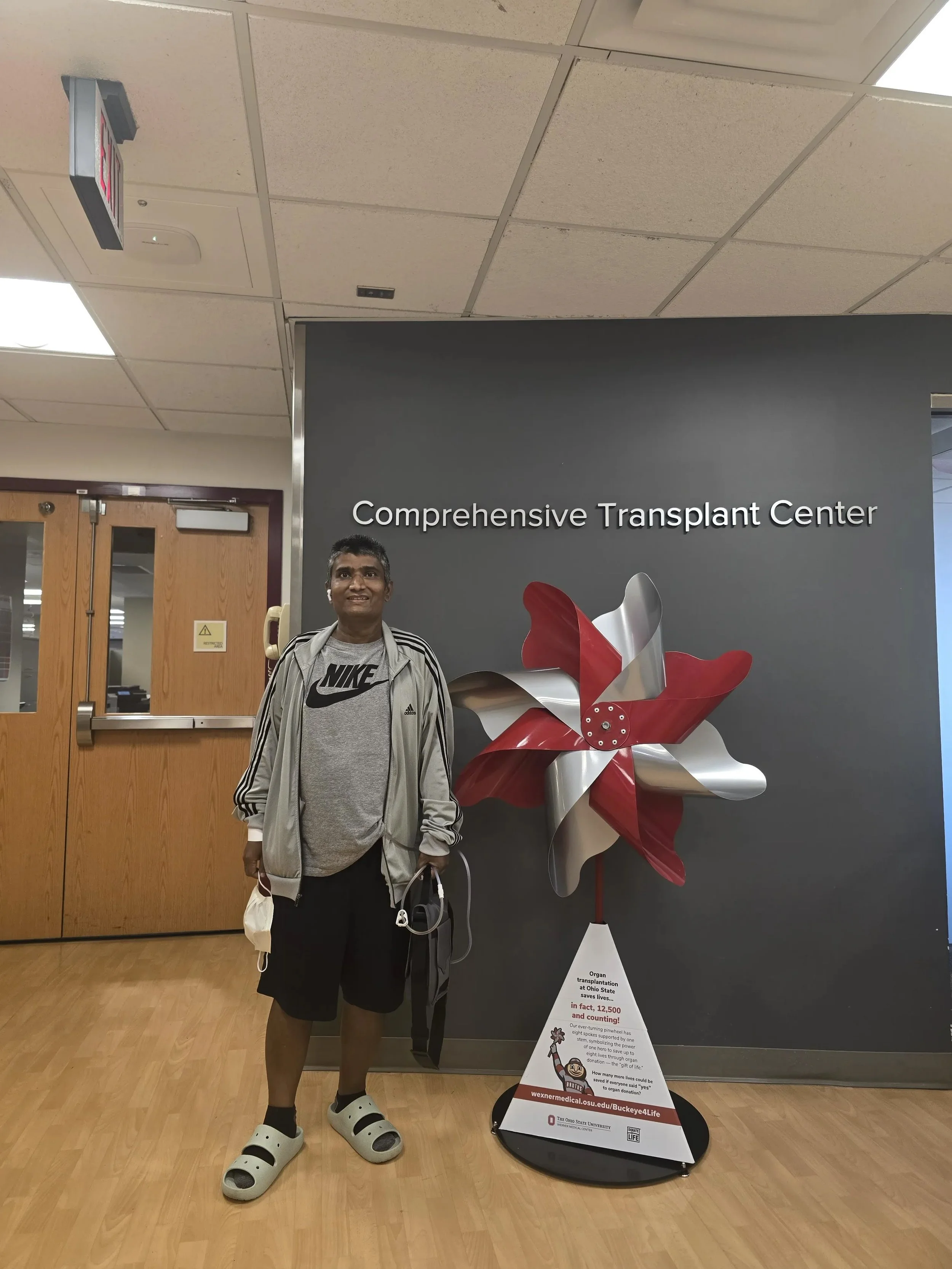
Anamika’s own family has given her another perspective on that idea. Her uncle also needed a transplant, and he received one in 2025. This time, Anamika got to watch someone she loves experience a successful transplant. Her uncle’s donor gave him a second chance. Today, he’s driving, focusing on his health, and making changes in his life.
Anamika has inspired him with her decision to donate and the life she’s lived since. “He looks at me, and he’s like, she’s doing this,” Anamika says. “She donated a part of her liver, and she’s living a very regular life. She moved from India to the U.S. and is doing so well. I can do that too.”
A Legacy You May Never See
Anamika thinks often about her uncle’s donor. She doesn’t know their name or their family, but she knows their decision changed her family’s life. “We remember the family in every prayer we do," she says. She and her uncle talk about the donor, wondering what kind of person they were and thinking about how much their decision has meant.
Her uncle’s children will grow up knowing that someone gave their father another chance. To Anamika, that’s part of what makes donation so powerful. “Even after they die, even if we don’t know their name, their legacy is with us,” she says. It doesn’t stop with one person; it continues through families, through memories, and through the lives made possible because someone chose to give.
Choosing to Give
Today, Anamika is preparing to move from Ohio to Texas to pursue her master’s degree in psychology at UT Dallas. She hopes to volunteer again, something she loved doing while living in India. She also hopes to continue sharing what she’s learned from her family’s journey.
Anamika knows that organ donation can be frightening to think about. She’s heard misconceptions in her own community, including fears that registering as a donor could affect the care someone receives if they are critically ill. But she believes people deserve the opportunity to learn the truth and what donation can actually mean for others.
“I’m not forcing anyone,” she says. “But if you want to do something in your life, even when you’re dead, it’s giving someone a chance to see the sunrise, to hold their child, and to live life.”