
Facing The Unknown, As A Family
The Schwerdt Family’s Journey
When Josh and Tara Schwerdt went in for their 22-week anatomy scan, they expected another routine appointment. Instead, they learned that their unborn son, Lockett, had severe kidney damage.
Doctors explained that his kidneys weren’t draining properly and couldn’t say how well they would work once he was born. At one point, they were even presented with the option of ending the pregnancy. “It just didn’t feel right to us,” Tara says.
The couple transferred their care to Stanford Children’s Health, where they found a team that gave them hope and a plan. At 35 weeks, Tara delivered Lockett by C-section, knowing he would need immediate medical care.
One of Josh’s clearest memories came just moments after his son was born.“The NICU nurse said, ‘He peed on me,’” he remembers. “We were all excited because we didn’t know if he was going to be able to.”
Just a few days later, Lockett’s kidney function continued to decline, and at only five days old, he began peritoneal dialysis.
Taking It One Day at a Time
Lockett spent nearly two months in the NICU before he was strong enough to come home. During that time, Josh and Tara weren’t just learning how to care for a newborn while caring for a toddler. They were learning how to perform dialysis, manage medications, and prepare for a life they never expected.
In the first year, Lockett struggled with constant vomiting, feeding difficulties, and repeated hospital stays. For months, doctors searched for answers before realizing he simply wasn’t getting enough fluids. Once that changed, so did everything else.“He finally started growing,” Tara says. “Things got a lot better.”
Looking back, Josh says there was one unexpected blessing.“The unknown was actually good for us,” he says. “If someone had told me everything we were going to go through during those first eight or ten months, I think it would have been overwhelming. Instead, we just took it day by day.”
Josh and Tara were blessed to have a strong support system, specifically from their parents. “We couldn’t have survived without our parents,” Tara says. “They stepped in whenever we needed them.”
Becoming a Living Donor
From the beginning, Josh and Tara made one decision together: if either of them could donate a kidney to Lockett, they would. Josh did not have a compatible blood type, so Tara began the evaluation process. “There wasn’t really another option,” Josh says. “Whichever one of us was a match was going to donate.”
The testing itself was straightforward, though getting there wasn’t. Living more than four hours from Stanford meant early mornings, long drives, and coordinating childcare for both Lockett and his older brother, Atticus.
When the testing confirmed she was healthy enough to donate, there was never any hesitation. “I don’t know why someone wouldn’t do it if they’re healthy,” she says. “You’re literally saving someone’s life.”
Watching Life Begin Again
Lockett received his mother’s kidney transplant when he was 17 months old. Almost immediately, Josh and Tara began noticing changes. One day after surgery, Lockett pulled himself up in his crib for the first time. “He just started hitting milestones,” Josh says. For the first time, he had the energy to grow, play, and simply be a little boy.

Today, Lockett is nine years old. He swims, jumps, plays, and keeps his parents on their toes just like any other child. Life after transplant isn’t perfect. There are still daily medications, monthly lab work, clinic visits, and the occasional hospital stay.
“Transplant isn’t a cure,” Tara says. “It’s a treatment plan.” But it’s a treatment plan that has allowed Lockett to live a childhood his parents once weren’t sure he would have.
Looking Ahead
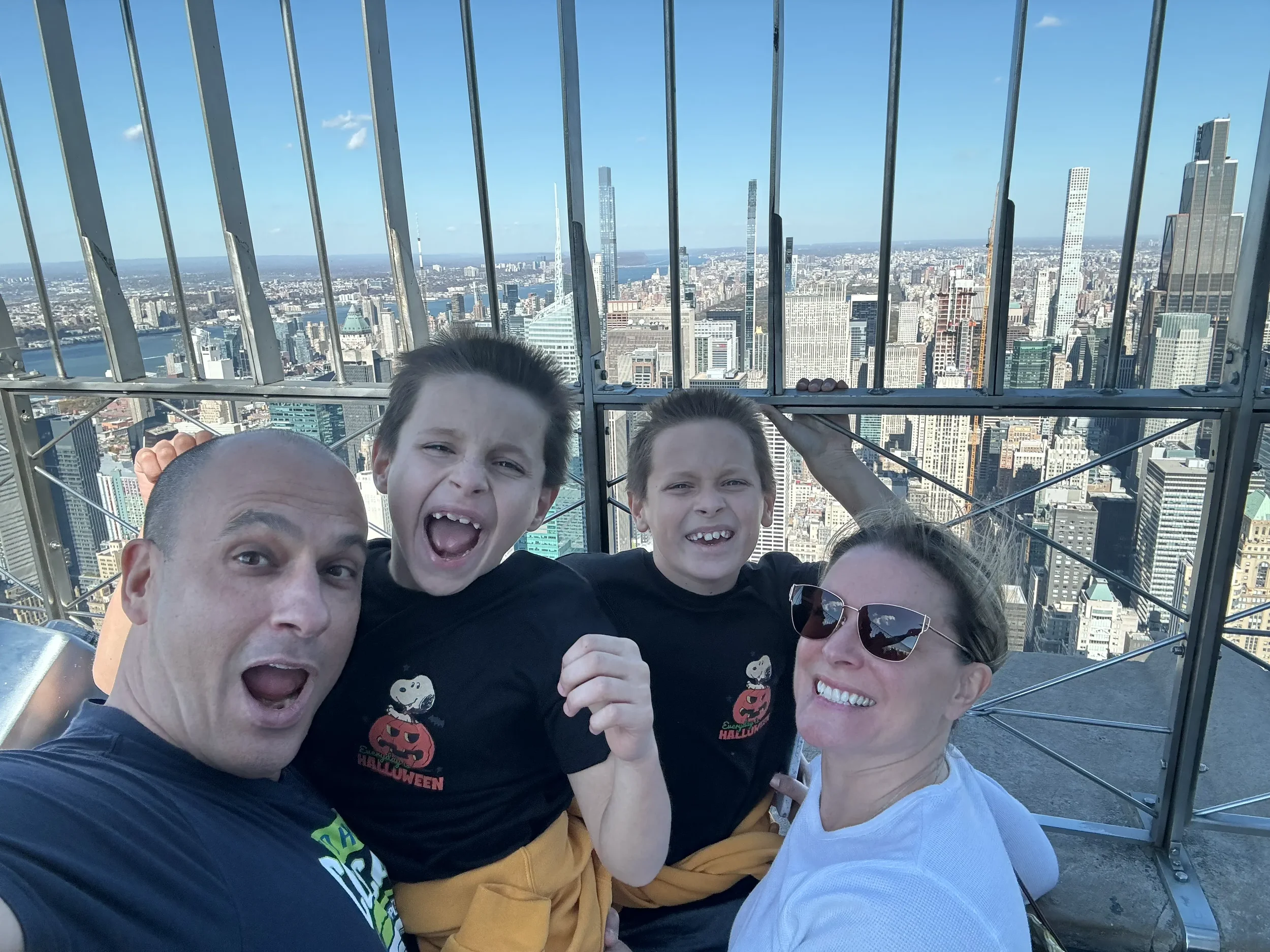
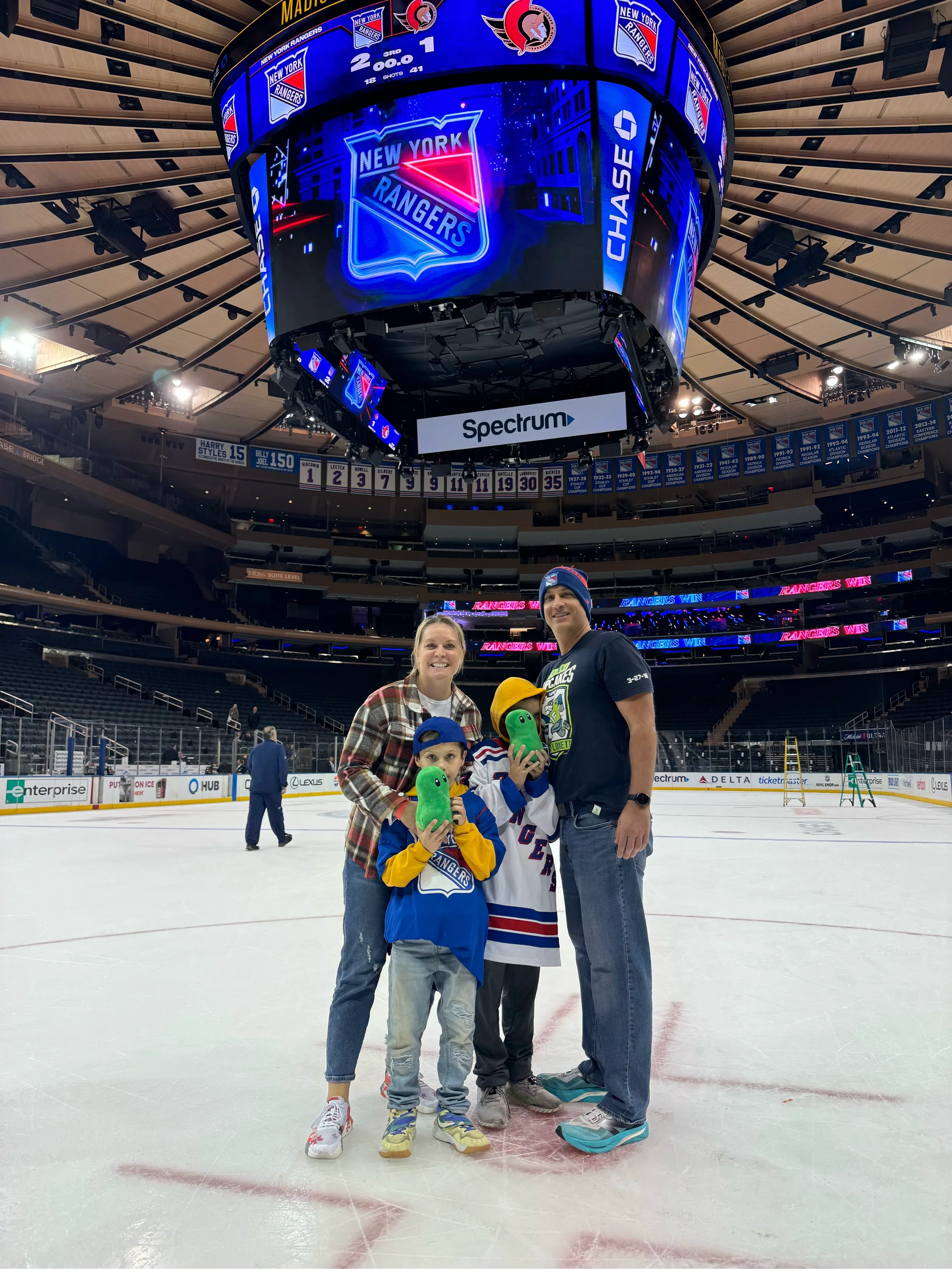
Josh knows another transplant will likely be part of Lockett’s future. The question is when. Until then, the family focuses on living life, they travel, they make memories, they celebrate milestones they once weren’t sure they’d ever reach.
When people ask why organ donation matters, Josh doesn’t just think about saving one life. He thinks about everything that comes after. “If Lockett gets married someday, has kids, becomes a grandfather—that all started with one person saying yes,” he says. “That one act of donation affects generations.”
For Tara, the message is simple. “There really isn’t anything different about my life after donating,” she says. “If you’re healthy enough to do it, you’re giving someone the chance to live their life.”
For the Schwerdt family, one living donation didn’t just change one little boy’s future. It changed the future of everyone whose life he’ll touch.